The Working Group
A network of experts working on the critical juncture of AI, democracy and society.
Information is the produced, stored, circulated, and now algorithmically generated material through which a polity perceives itself, deliberates, and acts. The object of democratic theory shifts accordingly: from the exchange between already-formed subjects to the infrastructure that forms the conditions of knowing, deciding, and acting.
9 members + 1 associated · scroll for more
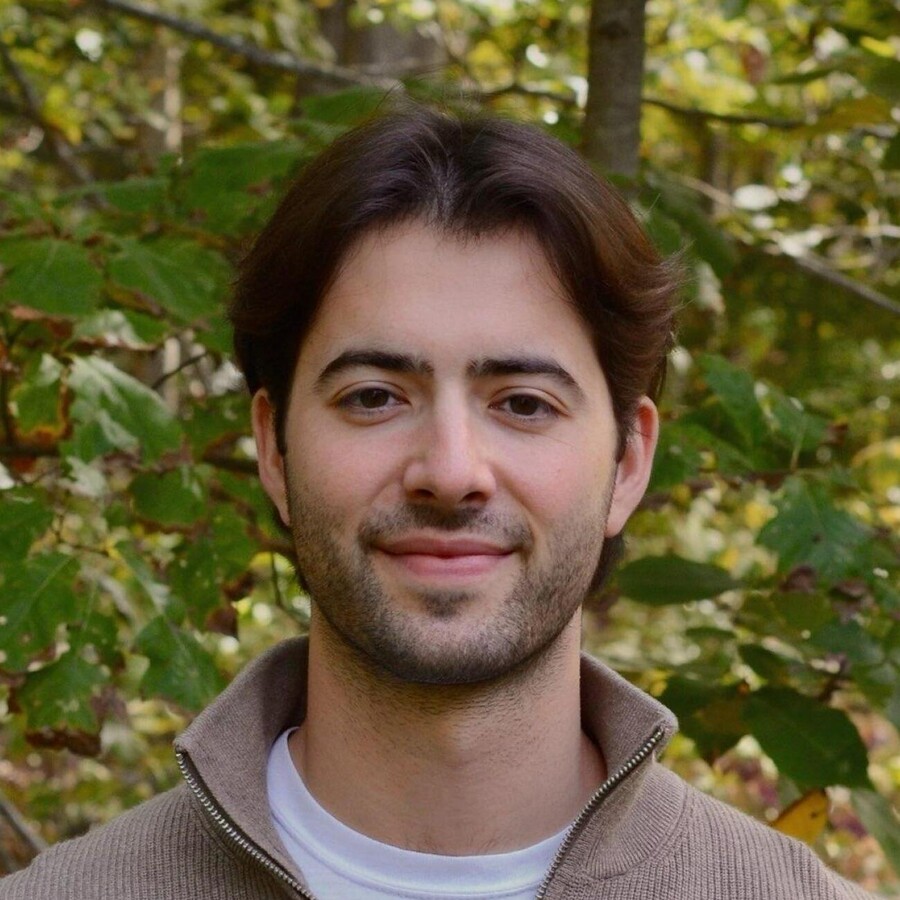
Andrew Sorota
OFFICE OF ERIC SCHMIDT
Mirror representation is incoherent as a design goal.
Read the Provocation →

Audrey Tang
CYBER AMBASSADOR-AT-LARGE, TAIWAN
From humans in the loop of AI to AI in the loop of humanity.
Read the Provocation →
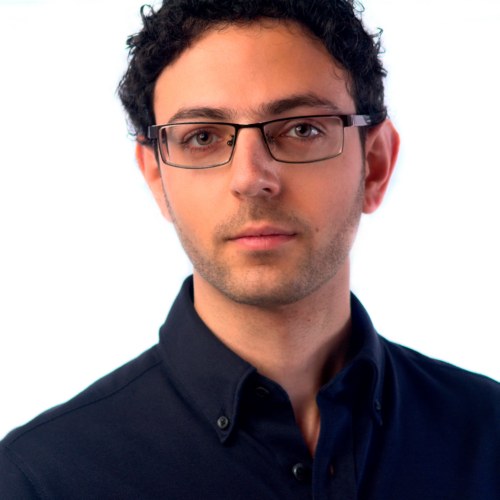
Aviv Ovadya
AI & DEMOCRACY FOUNDATION
What is the good meta-org chart for democracy?
Read the Provocation →
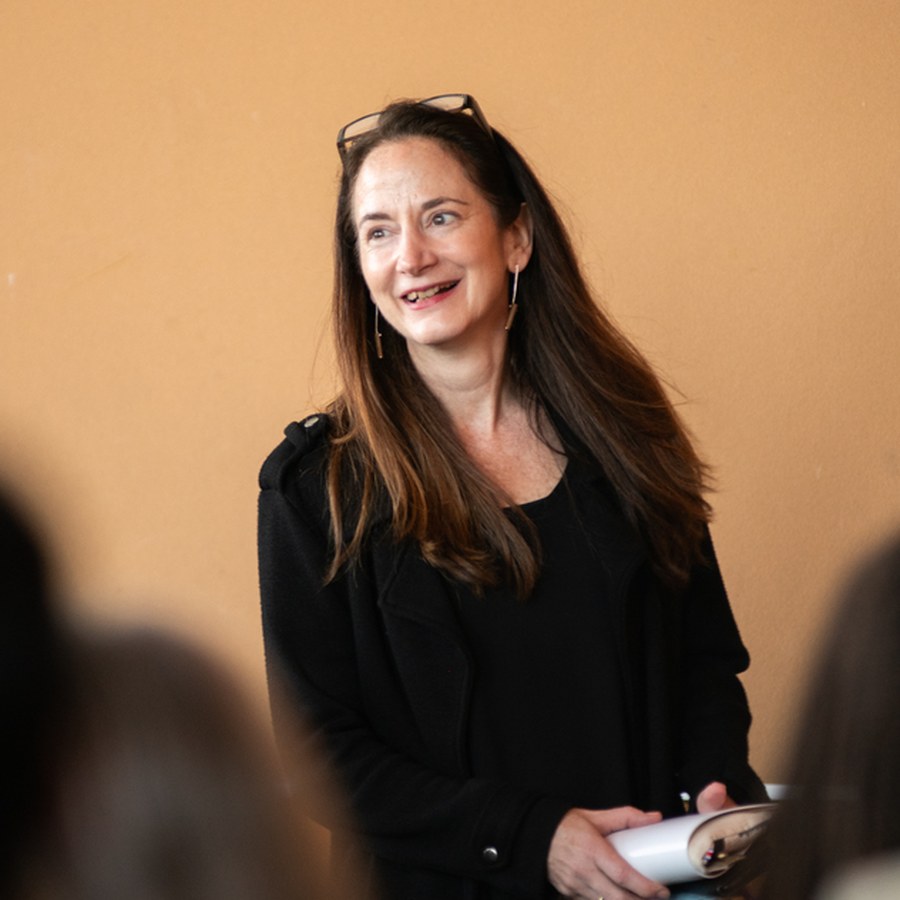
Avril Haines
Associated Member
CARNEGIE ENDOWMENT FOR INTERNATIONAL PEACE
Provocation to come.
Read the biography →
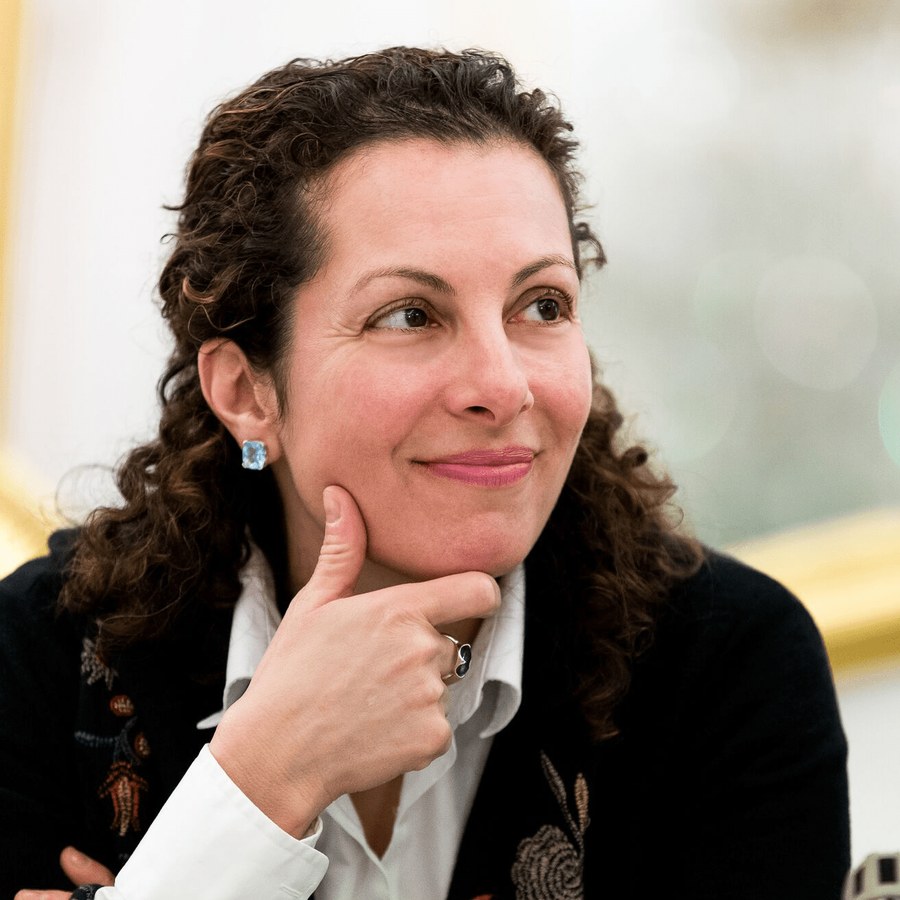
Beth Simone Noveck
NORTHEASTERN UNIVERSITY
Democracy has no moonshot because we've misdiagnosed the problem.
Read the Provocation →
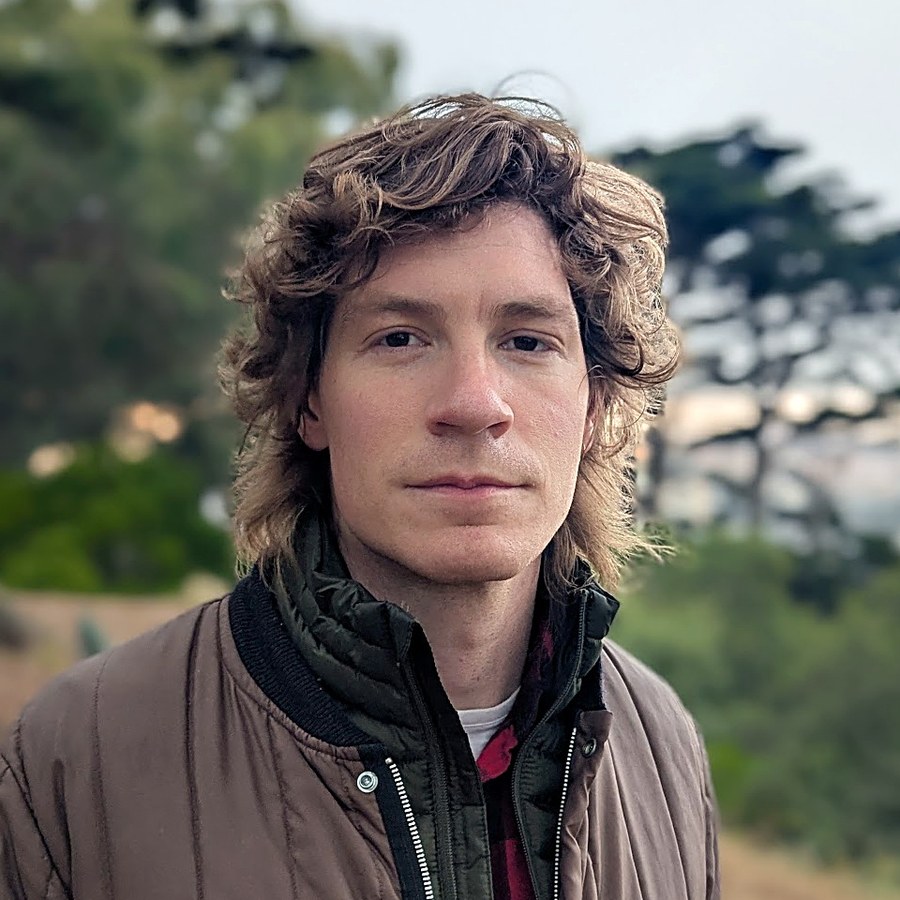
Evan Hadfield
COLLECTIVE INTELLIGENCE PROJECT
Voice without a pipeline is legitimacy theater.
Read the Provocation →
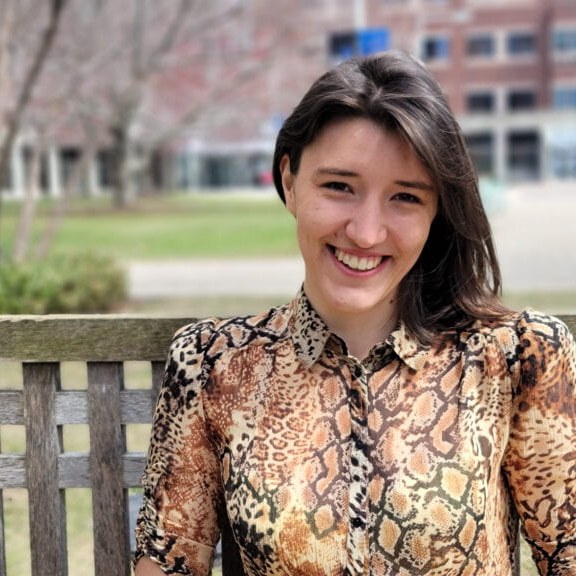
Manon Revel
JOINING AFTER SUMMER
Provocation to come.
Read the Provocation →
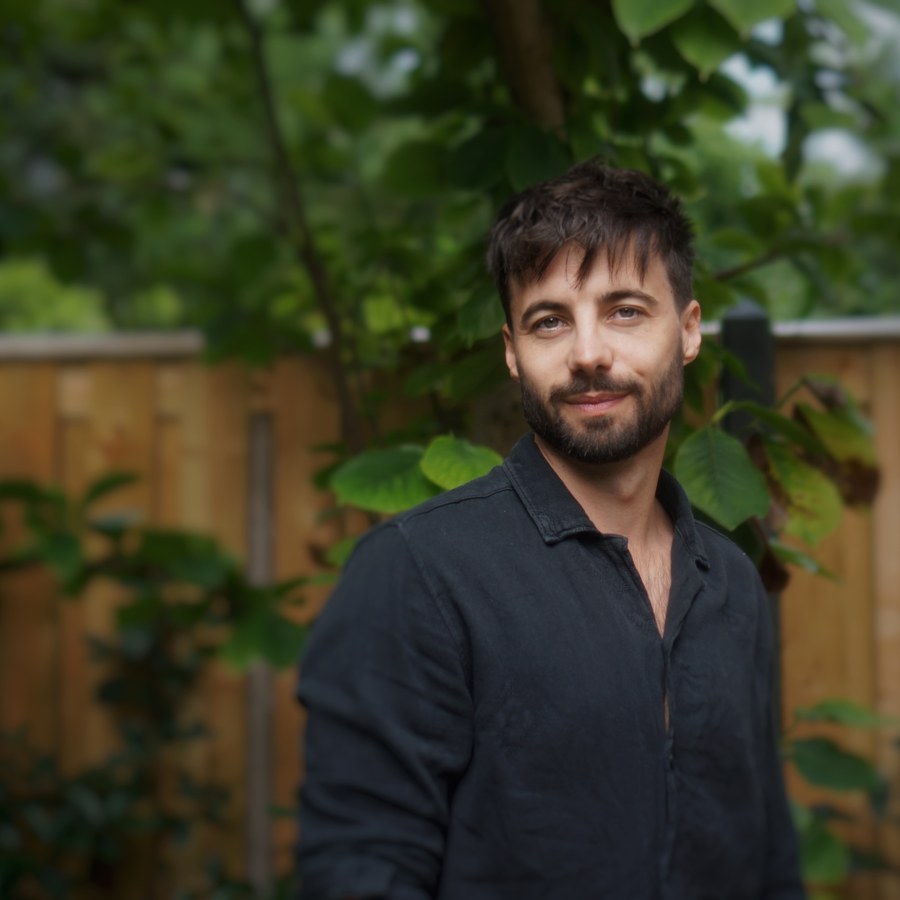
Petter Törnberg
UNIVERSITY OF AMSTERDAM
We are at the end of social media. How do we shape what comes after?
Read the Provocation →
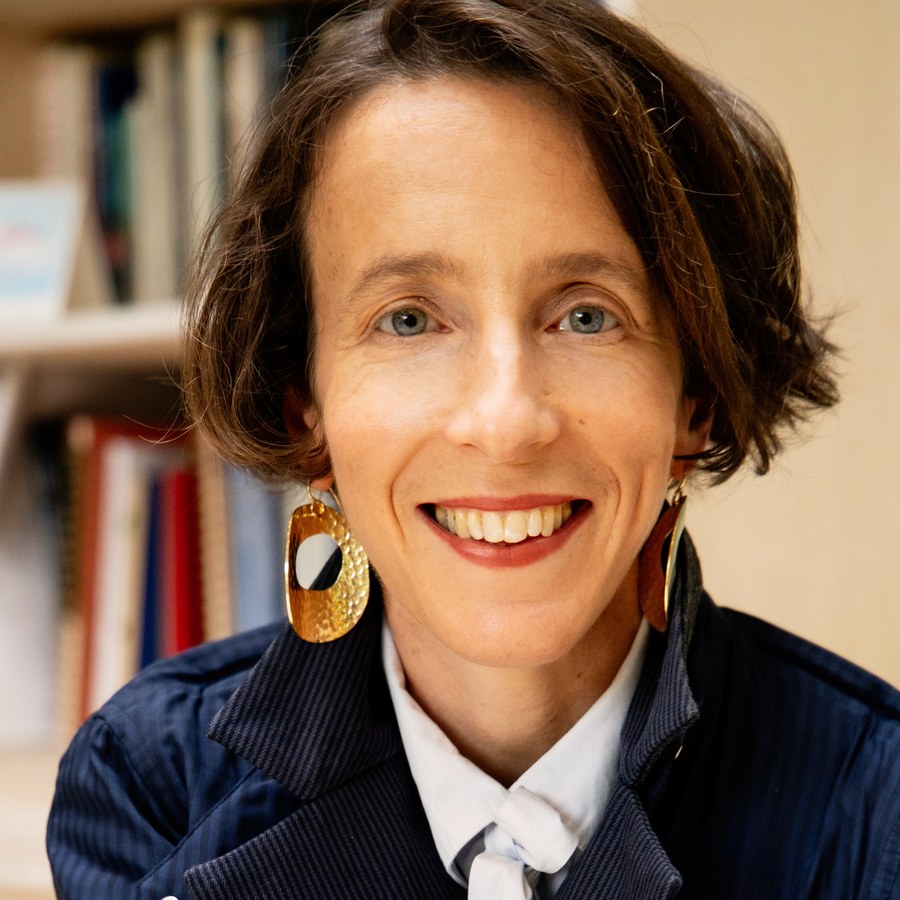
Sylvie Delacroix
KING'S COLLEGE LONDON
Uncertainty is not a bug to calibrate away.
Read the Provocation →
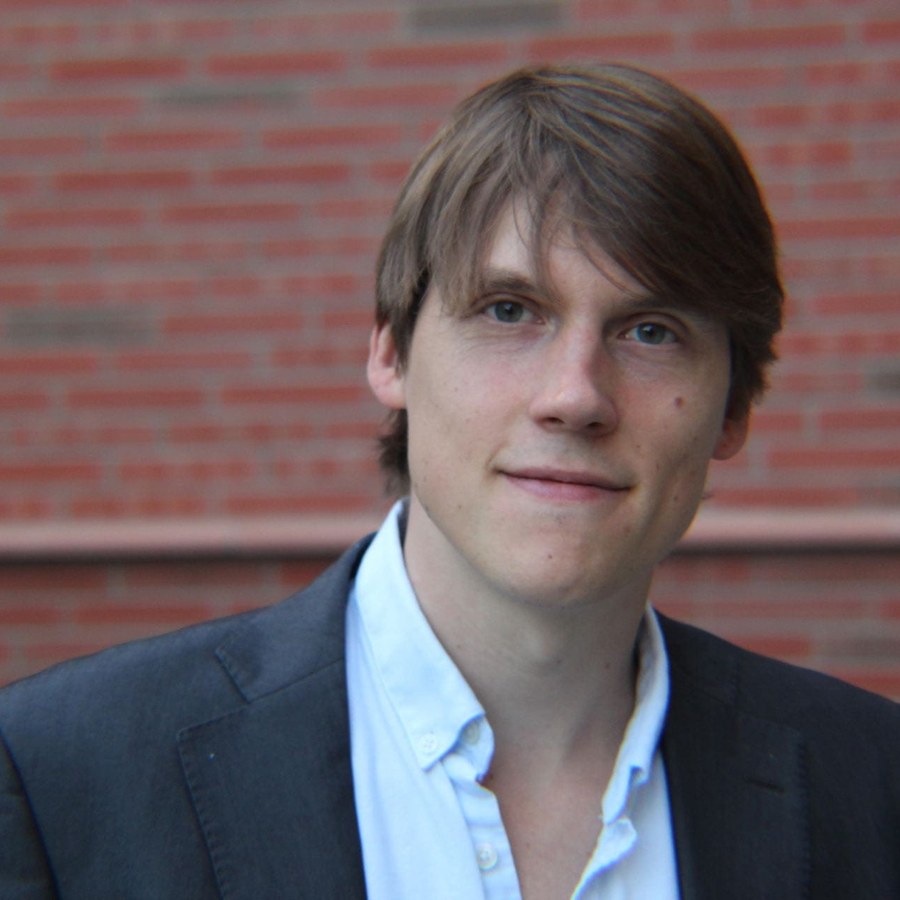
Théophile Pénigaud
YALE UNIVERSITY
Today's LLMs are weapons of mass destruction for responsibility.
Read the Provocation →